




People ask me if a mail order bride is still a thing. What they usually mean is, “Can I meet a woman abroad who truly wants marriage—and can we do it safely and fairly?” My answer: yes to love, yes to safety, no to treating anyone like a product. The term mail order bride is outdated and loaded, yet the reality is simple: millions meet online and some build solid cross-border marriages. This guide lays out who we’re talking about, the biggest myths, what law requires, where scams hide, and the habits that protect real love.
Who Are Mail Order Brides, Really?
First, language matters. Mail order bride comes from an era of catalogs and one-way power. Today most women you see on international platforms are simply adults who want a spouse and a stable life—just as many men do. Some hope to marry across borders for love, family, or work plans. Some want a partner who shares faith or values when local options feel too small.
Second, law has changed the landscape. In the U.S., the International Marriage Broker Regulation Act (IMBRA) set rules for “marriage broker” businesses, added disclosures about petitioners’ violent records, and required a government pamphlet on rights and safety for foreign fiancées and spouses. That law exists because harm happened; it also exists so good people can date more safely. Read the pamphlet if you’re anywhere near a K-1/K-3/IR-1/CR-1 path.
Third, the internet changed everything. Most cross-border couples now meet on ordinary apps or reputable sites that serve many ages. Plenty of people still worry about safety online; caution is smart, panic is not. Start with video calls, meet in public, keep money off the table. Studies and national surveys show wide use of online tools and mixed views on safety—so your habits matter most.
“A woman on a website is not a product on a shelf. She is a peer with goals, family, and a rulebook for respect.”
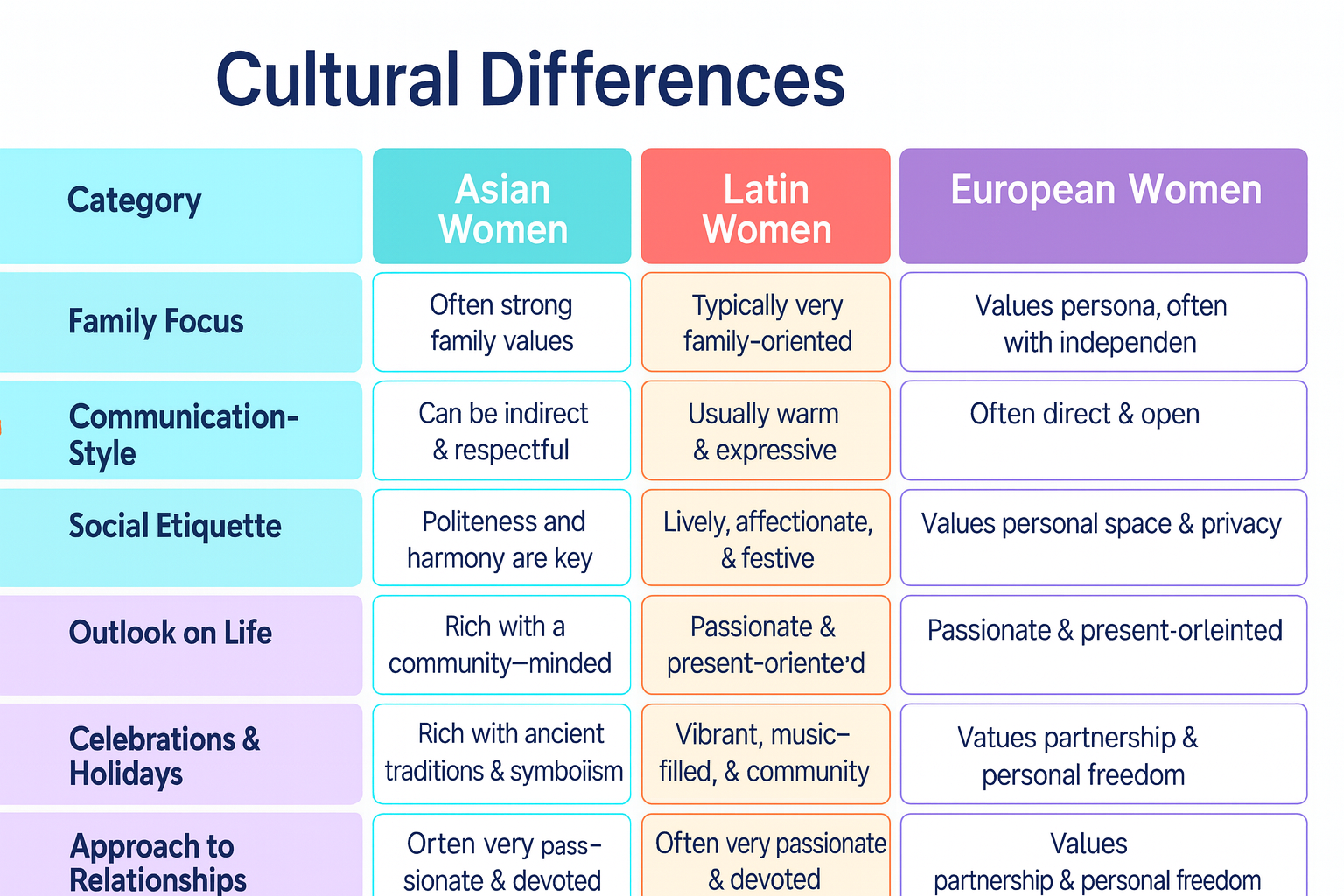
Myths vs. Modern Reality About Mail Order Wives
The myths around the mail order bride idea fall apart once you follow the money, read the law, and listen to real couples. Here are seven I hear most.
Myth 1: “She wants a visa, not a husband.”
Reality: Fraud exists, but most cross-border couples marry for ordinary reasons—care, fit, and hope. U.S. law punishes sham marriages; no one should dangle immigration as leverage. If abuse appears, survivors have options, including VAWA self-petition and I-751 abuse waivers. Know both sides of the law: penalties for fraud and protections for victims.
Myth 2: “International dating sites are unsafe by default.”
Reality: Risk sits in how you date, not only where. Some “marriage broker” sites deserve caution, which is why IMBRA regulates them. Many mainstream platforms have safety teams, reporting tools, and identity checks. Your guardrails—video early, public meets, no money—matter most.
Myth 3: “If a country has low divorce, loyalty must be high.”
Reality: Divorce rates reflect law, stigma, and economics. You can’t read fidelity off a national chart. For example, the State Department stresses that marriages abroad are valid when they follow local law; that says nothing about personal faithfulness. Build house rules that fit the two of you; do not lean on country myths.
Myth 4: “Background checks make everything safe.”
Reality: Helpful, not magic. IMBRA requires certain disclosures, but abusers can still hide. Use layered safety: meet in public, keep friends in the loop, control pace, and write rules about money and privacy. Read the official IMBRA pamphlet before you travel or file.
Myth 5: “Only desperate men look abroad; only desperate women sign up.”
Reality: Research and reporting show wide use of online dating across ages, with users reporting both good and bad experiences. Many middle-aged adults use apps in smaller numbers than younger adults, but they still show up there. Plenty of people pursue cross-border marriage for clear, normal goals.
Myth 6: “Money talk is rude at the start.”
Reality: Money talk is safety. The FBI’s IC3 reports record scam losses in 2024—over $16.6 billion across internet crimes—with romance and crypto schemes in the mix. Real partners respect clear no money rules before in-person trust. Report pressure to IC3 and avoid spoofed sites; the FBI even warns about criminals who impersonate IC3.
Myth 7: “The term ‘mail order bride’ is just a joke—no harm done.”
Reality: Words guide behavior. Scholars and advocates point out that the label feeds entitlement, flattens women into stereotypes, and has been tied to abuse in brokered contexts—one reason IMBRA passed. Retire the label. Use person-first language: “a woman I met online,” “my partner,” “my fiancée.” Respect is romantic.
Mary’s tip: “Curiosity beats control. Ask real questions, and match the slower partner on pace.”
How to Find a Mail Order Bride (Without Treating Anyone Like Mail)
First, choose reputable platforms. Favor sites or apps with clear reporting tools and real moderation. Avoid pay-per-message “catalog” brokers that talk like a marketplace. If a company calls itself a “mail order bride” service, walk away.
Second, write a short, honest profile. One value you won’t budge on, one ordinary joy, one photo from the last year. Ask for the same.
Third, set safety rules in writing: video within two weeks, public first meets, no money or crypto, no private lodging on trip one. Share plans with a friend who will text at set times. The FBI and FTC give free, plain guides to romance-fraud red flags.
Fourth, learn basic law before you file. If you are in the U.S., read IMBRA and the State Department’s marriage-abroad page. Keep copies of everything—IDs, tickets, photos, receipts—in a shared folder with dates.
Fifth, plan two visits if possible, both with public daytime meets and group time with friends or family. Respect the slower partner’s pace on intimacy and legal steps.
Sixth, build a 90-day connection plan: weekly video call, monthly “friends in the frame,” and a short check-in after each date. Warmth plus transparency beats grand speeches.
Seventh, keep budgets clear. No joint accounts until you both choose marriage and set a written plan. If either person asks for money, tell the other right away. Report any pressure to IC3.
Mail Order Marriage Stats: What We Know (and Don’t)
There is no reliable U.S. “success rate” for mail order bride marriages. Agencies and tabloids print numbers, but federal reviews have long noted data gaps in this niche—partly because many couples now meet on ordinary platforms, not through “brokers.” A Government Accountability Office report in 2014 called for better IMBRA implementation and better data, while earlier GAO work (2008) explained why counting is hard across DHS, State, and DOJ systems. Translation: beware tidy stats.
We do know broader facts. Online dating is common in the U.S., with mixed views on safety and plenty of success stories; older adults use it less than younger adults, yet they still use it. That gives a sense of the pool—not a “mail-order” census.
We also know scams cost real money. The FBI’s IC3 reports a record $16.6B in internet-crime losses for 2024, with romance fraud a persistent slice; the Bureau has even warned of criminals posing as IC3 to steal more. Treat every step with steady caution and clear rules.
Finally, many survivors of abuse in brokered matches sought help—one reason IMBRA exists and why advocates like Tahirih pressed for enforcement. Law is not romance, but it does protect people.
Psychological Advice: How to Build a Healthy Cross-Border Marriage
Good marriages run on ordinary, repeatable moves. Here is a toolkit I use with couples who met online across borders:
- 1) Two-Sentence Fidelity Rule.
Write two lines you both accept—one about sex, one about secrecy. Example: “No sexual contact outside us. No hidden chats or gifts.” Sign it, date it, post it on the fridge.
- 2) Keep–Adapt–Create Rituals.
Pick one ritual from each family to keep, one to adapt, and one to create together. Put all three on the calendar. Family-psychology reviews link rituals with higher marital satisfaction. Keep them small and steady.
- 3) The 15-Minute Weekly Huddle.
Three parts: one gratitude, one worry, one plan. Timer on. End with a micro-date—tea on the porch, a walk, a shared song. The goal is rhythm, not drama.
- 4) Money Menu With a Review Date.
Choose one fair model—equal split, income-proportional, or pooled with personal allowances. Add a clear line on help for parents and a monthly review. Clarity lowers fear.
- 5) Time-Out and Repair Script.
When voices rise, take a 20–30 minute break. Return with two lines each: “My regret is ____. My request is ____.” Keep bodies close and voices low. Reviews of couple therapy show the value of structured repair skills; models like EFT have strong support in current literature.
- 6) Culture Map on One Page.
Draw a line from tight to loose for time, rules, conflict, and dress. Mark where each of you sits. Choose one zone to shift one notch toward each other this month. Treat difference as code, not sin.
- 7) Temptation Protocol.
If either feels pulled toward someone, say so within 24 hours. No shaming. Adjust closeness, time, and stress. Honesty fast prevents secrets slow.
- 8) Digital Safety Pact.
No tracking apps, no hidden folders, no late-night searches through each other’s phones. If you both want open-device checks, set a purpose and a 10-minute limit, then put devices away. If control shows up, focus on tech safety and outside help.
- 9) Community as Armor.
Two rooms every week: one local group where people know your name, one video call with old friends. Isolation grows fear; company steadies the bond.
“Love needs rules, not to kill the spark, but to keep the spark safe.”
The Bright Side: Why Cross-Border Love Often Works
Let’s give the good news its moment. Cross-border couples bring curiosity by default—you’re already asking real questions about family, food, faith, and how you each do Tuesdays. That curiosity is rocket fuel for intimacy. It turns small differences into “teach me” moments and keeps you both learning long after the first spark.
There’s also a built-in sense of purpose. When two people navigate flights, time zones, and paperwork, they practice teamwork early. You schedule, budget, and solve problems together before dishes and laundry ever show up. That “we can do hard things” energy often sticks, making the everyday feel easier once you share a postal code.
Online dating gets a bad rap, but it’s fantastic at one thing: optionality. You can filter for values that matter—kindness, faith, family goals, kids/no kids—without pretending. A modern match with someone once labeled a “mail order bride” is usually just this: two adults who used the internet to meet on purpose.
And yes, there’s joy. New cities, new aunties and uncles, new holiday menus—plus the small thrill of catching your partner’s slang and using it right. Healthy cross-border love is not a crisis to manage; it’s a life to savor, with safety steps running quietly in the background like seatbelts on a fun road trip.
The Cheerful Checklist: Low-Stress Moves That Keep It Fun
You don’t need a law degree or a therapist on retainer to date well across borders. Keep it friendly and simple with this quick plan.
- Two-Pic Hello: Open with one everyday photo (today) and one “thing I love” photo (hobby, pet). Real beats glam.
- Video by Week Two: Not a security gate—just a vibe check. Say hi from a café or park; let life be in the frame.
- Public-First Rule: Daytime meetups, separate rides, and a “friend knows where I am” text. Safety that doesn’t kill the mood.
- Kind Budget Talk: “Here’s what I can comfortably spend on travel this season. What about you?” Grown-up and stress-reducing.
- No-Money Zone (Pre-Meet): You’re not stingy; you’re wise. Save generosity for later, when trust has feet on the ground.
- Mini Culture Tour: Trade one song, one snack, and one childhood story each week. Playful and connecting.
- Sweet Rituals: A 60-second good-morning note or a shared playlist for walks. Tiny, daily, sticky.
- Micro-Repair Script: “One regret, one request.” It’s quick, kind, and keeps sulking off the guest list.
- Friends in the Frame: Once a month, put a bestie on video for five minutes. Community = calm.
- The Two-Green-Flags Rule: Every trip, name two things your partner did that felt great—out loud. Catch each other doing it right.
- Passport Parking Spot: Decide together where documents live. It’s boring. It’s also happiness.
- Celebrate Small Wins: First visa form sent? First family group chat? High-five it. Joy is a habit.
A Light Playbook for a Great Mail Order Bride Path
Old term, new reality: you’re two equals meeting online and building something sweet. Here’s an easy, optimistic roadmap with bite-size steps you can use right away.
Pick a Friendly Frame
Trade the marketplace language for teammate language. Say “we’re building a partnership” instead of “I’m shopping for a wife.” Framing sets the tone, keeps dignity front-and-center, and makes romance feel safer for both of you.
Write a Cute “About Us”
One paragraph you draft together: how you met, what you both value, and one silly detail (your rival snack choices, the dog’s opinion). It becomes your shared north star when plans get busy.
Make Messaging Playful, Not Performative
Use light prompts—“photo of your morning view,” “song of the day,” “two truths and a travel dream.” Play keeps pressure low and reveals character faster than essays.
Design the First Trip Like a Festival
Think daytime cafés, bookstores, parks, and a group dinner or two—no marathon, no isolation. Put one “solo recharge” block on the calendar each day so the visit feels spacious, not intense.
Do a Joy-First Budget
List the must-haves (tickets, lodging) and one tiny splurge that will make you both smile (matching keychains, museum audio guides, a bakery crawl). Fun belongs in the spreadsheet.
Keep Safety Soft and Visible
You can be upbeat and wise at the same time. Public meets, simple check-ins, and “no money until we’ve met more than once” keep the vibe light because nobody’s worrying in secret.
Build Rituals You’ll Actually Keep
Aim small: Sunday photo swap; Tuesday tea on video; first Friday “future file” chat where you drop ideas for travel, holidays, or apartment plants. Rituals are romance on autopilot.
Practice Happy Boundaries
Boundaries can sound harsh; make them warm. “I don’t share passwords, but I love planning our next date.” “I’m off-grid during work, and I’ll text at 19:00.” Clear + kind = trust.
Invite Your Worlds to Mingle
Five-minute cameos from siblings, roommates, or favorite coworkers on a call. Community reduces pressure, speeds up belonging, and makes the relationship feel real to both circles.
Plan a Tiny Future (Then Let It Breathe)
Pick one near-term goal you both like—“second visit in spring,” “learn each other’s recipes,” “short language course together.” Put it on the calendar and keep the rest open. Flexibility is romance’s best friend.
Use Therapist Tips Without the Therapy Vibe
Steal the tools, keep it breezy: two-sentence fidelity rule (“no sex outside us, no secret chats”), time-out and return (“20 minutes, then we talk kindly”), and gratitude-worry-plan (one of each, weekly, in under 10 minutes). They’re light switches, not lectures.
Celebrate Progress, Not Perfection
You will mix up idioms, misread texts, and order the wrong dish. Laugh, learn, and log it as a story you’ll tell later. Healthy couples aren’t flawless; they’re friendly with their flaws.
Conclusion
The phrase mail order bride hides the person and the risk. The modern picture is different: adults meet online, two rulebooks meet, law sets guardrails, and daily habits protect trust. Keep money off the table with new contacts. Use video early, meet in public, and write your house rules. Rituals and short repair scripts carry most of the weight.
Want a simple plan for your cross-border relationship? Book a consultation. We’ll set rules, build rituals, and map the next four weeks so love stays warm and safe.
FAQs
Is mail order brides a real legal category?
No. U.S. law regulates international marriage brokers and requires safety disclosures, but the term is not a legal status
How do I avoid online dating scams?
No money, no crypto, no gift cards. Video first, public meets, and report pressure to the real IC3 site. Losses in 2024 topped $16.6B across internet crimes.
Does a marriage abroad count in the U.S.?
Usually if it follows local law. Immigration benefits are a separate step. Read State’s marriage-abroad guidance.
Are online matches safe for older adults?
Caution is wise. Many older adults view online dating as less safe than younger adults. Good habits reduce risk.
Is there a known success rate for mail order marriages?
Not a trustworthy one. GAO reports describe data limits; most couples now meet on ordinary platforms, not broker catalogs.
Sources & Links
- U.S. State Department: IMBRA pamphlet hub and marriage abroad basics. (U.S. Embassy Travel Affairs)
- USCIS IMBRA pamphlet (PDF). Rights and protections for foreign fiancées and spouses. (U.S. Citizenship and Immigration Services)
- FBI IC3 Internet Crime Report 2024 (losses $16.6B) and FBI press note; warning about IC3 impersonation scams. (Internet Crime Complaint Center)
- FTC Consumer Advice: Romance scam red flags. (Pew Research Center)
- Pew Research Center: Online dating usage and safety views in the U.S. (Pew Research Center)
- GAO (2014, 2008): IMBRA implementation and data gaps. (U.S. General Inspectorate)
- Tahirih Justice Center: IMBRA overviews and advocacy on international marriage brokers. (Tahirih Justice Center)
- Family rituals & marital satisfaction: Fiese et al., Journal of Family Psychology review. (APA)
- Couple therapy effectiveness: Lebow (2022) review; ICEEFT research page/meta-analyses. (PMC)